
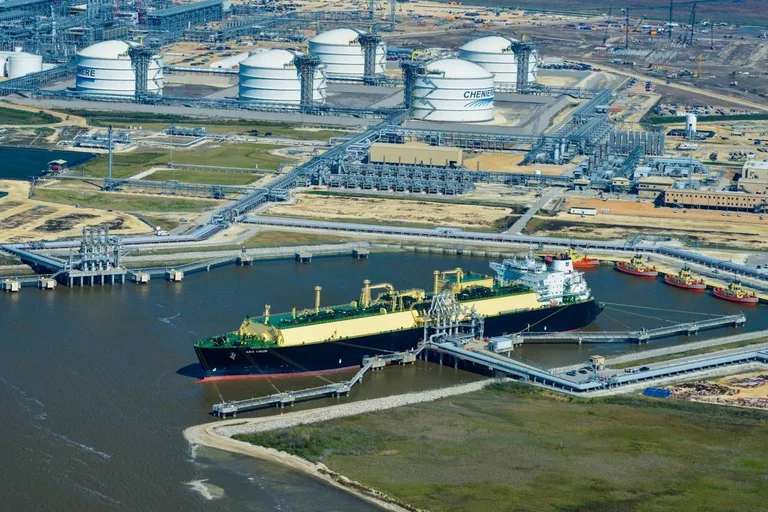
The American Chamber of Commerce has called for Kosovo’s inclusion in “the regional infrastructure for American liquefied natural gas” to be treated as a priority after the constitution of the Assembly and the election of the new institutions.
“Kosovo is at a decisive moment for the future of its energy sector. The decisions made over the coming months and years will determine not only how electricity is generated, but also the level of energy security, the competitiveness of the economy, and the country’s ability to meet the needs of a developing economy,” the American Chamber of Commerce said in its call.
According to the Chamber, “the discussion about the direction of energy policies should not be limited to comparing the initial costs of investments or the options presented so far.”
“Modern energy policies require a comprehensive assessment that takes into account the speed of project implementation, security of supply, the possibility of securing financing, the impact on the competitiveness of the economy, the flexibility of the electricity system, and the long-term sustainability of investments,” it added.
“For Kosovo, which continues to rely on outdated generating capacity and significant electricity imports, the time required to build and bring new generating capacity into operation is a factor of strategic importance. Every year of delay in creating new domestic capacity means continued exposure to volatility in regional markets, high import costs, and supply uncertainty,” it further stated.
The Chamber reiterated that the development of new energy capacity “is directly linked to national security, economic stability, and the competitiveness of Kosovo’s private sector.”
The United States Embassy had also called on Kosovo to join the liquefied natural gas project that comes from the U.S. It urged Kosovo to do so urgently in order to avoid dependence on Russia.
“Kosovo must act quickly to realize this partnership because building the necessary infrastructure will take time. U.S. LNG exports are expected to double by 2030 and will flow through regional projects such as the Vertical Gas Corridor and the floating natural gas terminal in Croatia. Kosovo can also connect to the gas pipeline being built to link the LNG terminal in Alexandroupolis, Greece, with Skopje in North Macedonia,” the Embassy said.
However, the Kurti Government has rejected this opportunity.








