
With the full text of the agreement to end the war between the United States and Iran still unpublished, confusion reigns over exactly what the two countries’ negotiators had agreed to.
There were some early signs that the road ahead would not be easy. Israeli Prime Minister Benjamin Netanyahu declared that Israeli forces would remain in Lebanon, a position that is sure to irritate the Iranians. Meanwhile, Iran rejected the Trump administration’s claims that ships would be able to pass through the strait free of charge, saying it intends to impose “fees”, but not a “transit tax”.
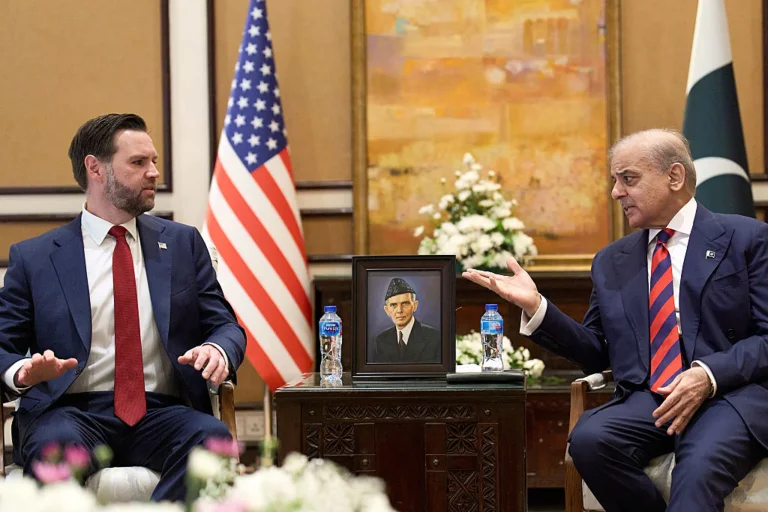
An official signing ceremony for the agreement is expected to be held on Friday in Geneva. US officials said Vice President JD Vance, President Donald Trump’s son-in-law Jared Kushner, and the president’s special envoy, Steve Witkoff, would attend.
On Sunday, the United States and Iran signed a framework agreement to end their months-long war, but just a day later officials from both sides were making contradictory statements about its contents.
The immediate focus of the agreement was largely on halting military attacks and allowing shipping to resume through the Strait of Hormuz, a vital sea route for global trade. However, US and Iranian officials acknowledged that discussions on the most serious disputes had been pushed to a later phase of negotiations.
The agreement does not appear to meet the objectives Donald Trump had set when the US and Israel launched the war in February: destroying Iran’s military capabilities, eliminating its nuclear ambitions, and toppling the country’s theocratic leadership.
For his part, Netanyahu appeared to distance himself from the agreement and suggested that he did not feel bound to abide by it.
“That is his decision,” he said, referring to Trump.
Netanyahu made clear that Israel intends to continue the war in Lebanon against Hezbollah, the Iran-backed group that launched attacks on Israel after the war with Iran broke out.
“The war is not over,” he declared.
Nevertheless, despite the confusion, news of the agreement brought enough relief for oil prices to fall sharply, while Iranians expressed cautious optimism that a war that has killed thousands of people could soon come to an end.
Trump said the agreement would restore the safe passage of oil tankers through the strait starting Friday, resolving a problem that did not exist before the US and Israel launched the war. Returning the strait to its pre-war state could lower high fuel prices in the US, a political burden for the president, but experts say this will take months.
After that, a 60-day period of negotiations to reach a comprehensive peace agreement will begin. These talks are expected to be complex, and the agreement could still fail.
Iranian Foreign Minister Abbas Araghchi said on Monday that negotiations would focus on two issues on which neither side has shown much willingness to compromise: easing US economic sanctions on Iran and limiting Tehran’s nuclear program.
According to him, the talks will also be complicated by “a history of broken promises”.
In an interview with CNBC, JD Vance acknowledged that the Trump administration still has “very important details to work out” in the next phase of negotiations.








