
On the first Tuesday of this November, America’s 210 million registered voters will have the opportunity to redefine the makeup of Congress—the legislative body of the world’s superpower.
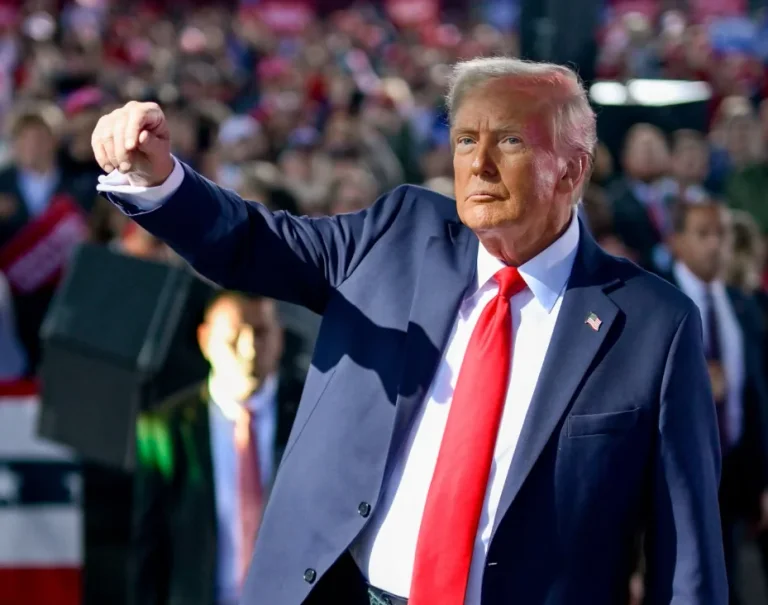
The midterm elections, or “midterms” in English, will show how much power President Donald Trump will have as he leads during the second half of his term as the 47th President of the United States.
All 435 seats in the House of Representatives, along with 35 of the Senate’s 100 seats, are on Americans’ ballots. Each House seat represents a congressional district. Meanwhile, each of the 50 states in the United States of America is entitled to two Senate seats.
Midterms are considered a kind of referendum on the sitting President’s performance. Historically, the President’s party has lost an average of 26.5 House seats since 1946.
What could Trump lose?
Currently, Republicans control both the House of Representatives and the Senate. Losing control of either chamber could enable Democrats to block legislative initiatives and launch investigations into the Trump administration.
Biden, Obama, and Bill Clinton’s party will need three more seats to win the House and four for the Senate. A 50-50 split in the Senate leaves control in Republican hands, since Vice President JD Vance can cast a vote after a tie.
Of the House’s 435 seats, 35 are expected to determine the overall result. In these 35 districts, both parties have a real chance of winning.
The Senate’s 33 seats will guarantee senators a six-year term in Congress’s upper chamber. Special elections will also be held for the two vacant seats in Florida and Ohio, which were held by Secretary of State Marco Rubio and JD Vance. That makes 35 in total.
Democrats must hold on to the 13 seats being contested and flip four more. The Senate races receiving particular attention are in Maine, North Carolina, Ohio, Alaska, Kansas, and Texas.
The campaign’s key issues range from rising fuel prices to housing and healthcare costs.
Statistically, turnout during midterms is lower than in presidential elections. Since 1944, an average of 42% have voted in midterms, compared with 58% in presidential elections.
November 3 is the date everyone in America is eagerly awaiting. Will Democrats manage to limit Trump’s power, or will the latter manage, unusually, to keep Congress in his party’s hands for another two years? That is the question awaiting an answer.








