
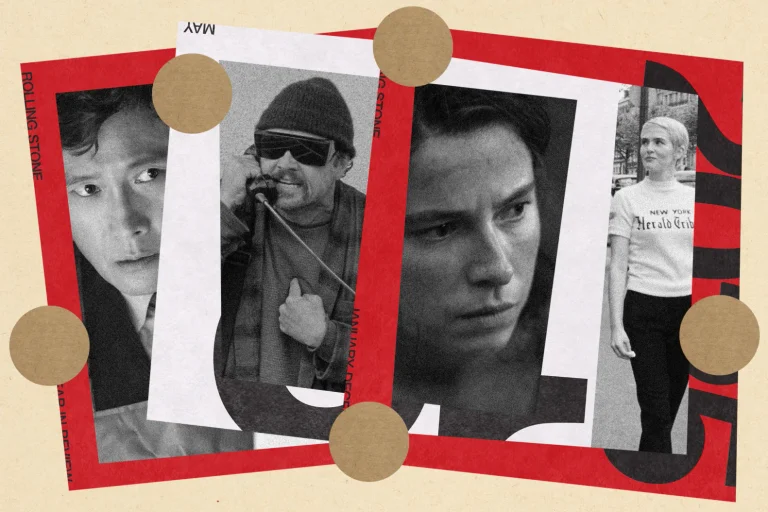
2025 was a year that posed many questions for film lovers: Did the success of Sinners prove there was still a broad audience hungry for original stories (read: not based on IP) at the blockbuster level? Does Ryan Coogler’s historic deal, under which the film rights revert to him after 25 years, change how Hollywood treats creative talent? How would James Gunn’s reboot of Superman transform the fortunes and prospects of the DC cinematic universe? What was the ideal format for watching One Battle After Another? What would be the greatest existential threat to the medium — the ongoing atrophy of the traditional moviegoing experience, or the arrival of the first AI “star”? Would Hamnet make you cry a lot? Was Brad Pitt really driving the Formula 1 cars in F1? What the hell is KPop Demon Hunter?
It was also a truly excellent year for excellent films. We had to “kill” many darlings to whittle our list of the best of 2025 down to just 20 films. And between festival premieres, brief Oscar-qualifying runs, streaming exclusives, and a number of unexpected surprises, we could easily have doubled this list. (Blue Moon, F1, Is This Thing On?, One to One: John & Yoko, My Undesirable Friends, The President’s Cake, The Secret Agent, Sinners, Sirat, and The Voice of Hind Rajab.)
A number of established auteurs reminded us why they’ve earned their reputations. Some new names released stunning debuts that made the future of film look brighter. We got not one, but two behind-the-scenes stories about the making of not one, but two very different masterpieces, separated by centuries. For every major disappointment, there were two or three strong hits that connected with audiences — in ways that inspired, sparked conversation, and instilled hope at a time when the world outside the movie theater wasn’t doing that.
These 20 titles aren’t just the highlights of the past 12 months. They’re the ones we’ll most likely return to year after year. From an epic saga of resistance to a personal reinvention of a gothic horror classic — welcome to the best films of 2025.
20. Weapons
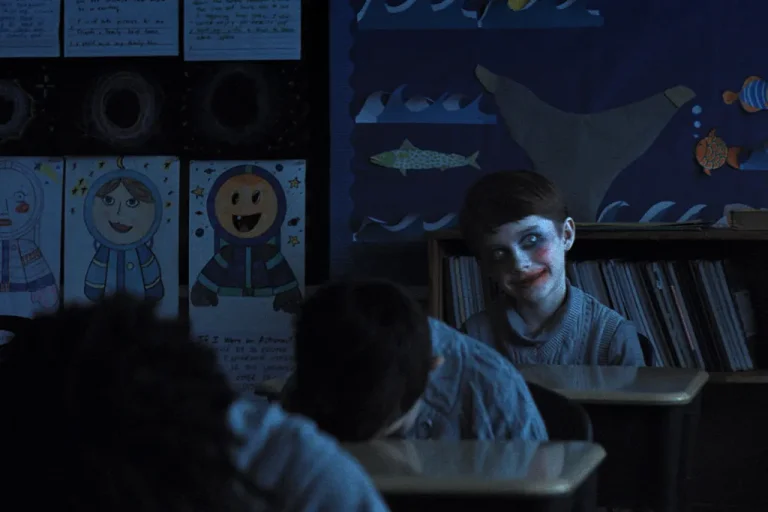
By now, you probably know the big secret behind Zach Cregger’s ambitious follow-up to his horror thriller Barbarian (2022), and understand why veteran actor Amy Madigan is generating so much awards-season buzz for her portrayal of a mysterious and unexpected guest. Even after this psychological thriller has laid all its cards on the table, Cregger’s story about the inexplicable disappearance of 17 children in the middle of the night still manages to send a chill through your bones. Balancing several different narratives and revisiting events from the perspectives of a teacher (Julia Garner), one of her young pupils (Cary Christopher, fantastic), the father of a missing child (Josh Brolin), and others, the film enjoys playing with its audience like a predatory cat with a wounded mouse. Its audacious climax is well earned, but what stays with you is the subtle way Cregger shifts between stories and builds everything toward the final blow. It’s a horror film that knows exactly where to strike.
19. Frankenstein
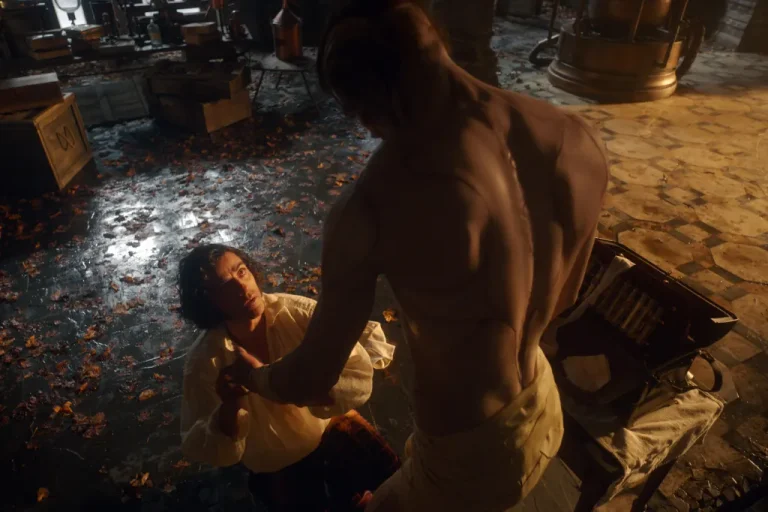
Guillermo del Toro finally took on the film he seems born to make, and his take on Mary Shelley’s misunderstood monster and the man who created him is exactly what you hoped for: aristocratic yet pulpy; gentle yet perverse; faithful to the source material while honoring a host of gothic and genre influences. Above all, it’s a deeply personal story about being an outsider, and about trying to break cycles of bad parenting — no, seriously — that holds nothing back in either sound or fury. Oscar Isaac’s Victor Frankenstein is part 18th-century dandy and part ’60s rock star, as if Lord Byron had been genetically spliced with Brian Jones. Meanwhile, Jacob Elordi, for those who only know him from Euphoria, gives a startling performance as the Creature — at once innocent and a vengeful angel.
18. Caught by the Tides
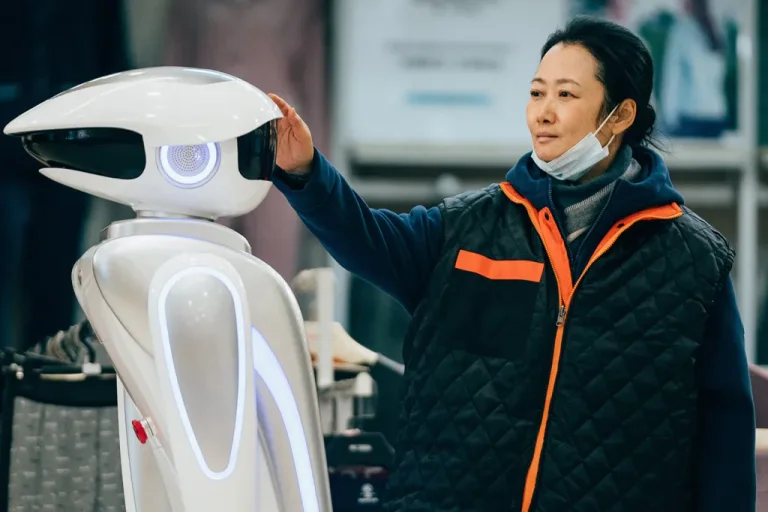
While browsing old footage during the pandemic, Chinese director Jia Zhangke (Unknown Pleasures, Still Life) came up with the idea of using outtakes and scenes from his previous films — all featuring his regular actors Tao Zhao and Zhubin Li — to build something new. For a while, it feels as if you’re taking a passenger-seat ride through a stream of consciousness across the country’s cities and rural areas, amid corporate-sponsored spectacles and personal dramas. Only in the film’s final third does Jia drop the hammer, and you suddenly realize that what seemed like a loose slideshow of China’s prosperity at the beginning of the 21st century has been carefully crafted to break your heart.
17. The Phoenician Scheme
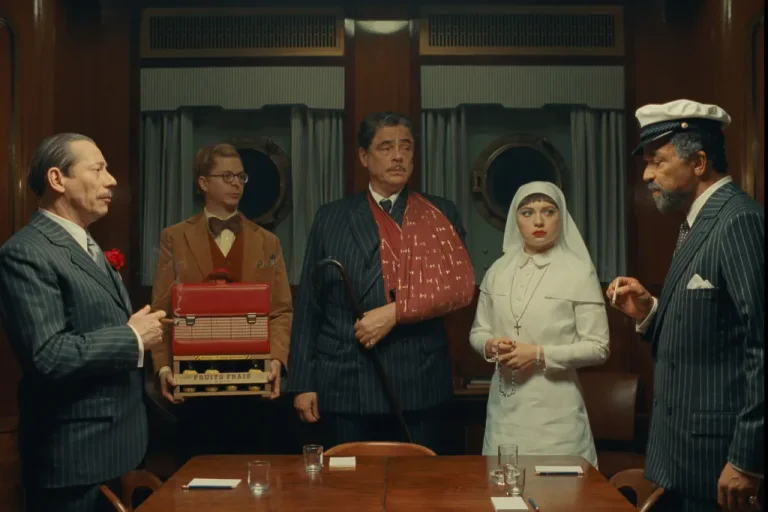
Wes Anderson hits the mark with this combination of corporate espionage thriller, slapstick comedy, and father-daughter family drama, centered on Anatole “Zsa Zsa” Korda (Benicio Del Toro), an international business magnate and mystery man. He’s trying to ensure that his dream project — a multinational transportation system — becomes reality before his rivals kill him; if he can also reconcile with his estranged daughter (Mia Threapleton), who wants nothing to do with him and wants to become a nun, so much the better. All the Anderson hallmarks are there: the all-star ensemble, the meticulous visual compositions, his iconic aesthetic. But this film works more harmoniously than some of his recent work. And it gives us a genuine revelation in Threapleton, who brings humor, comic timing, and chemistry with Del Toro, giving the film a beating heart beneath the surface.
16. On Becoming a Guinea Fowl
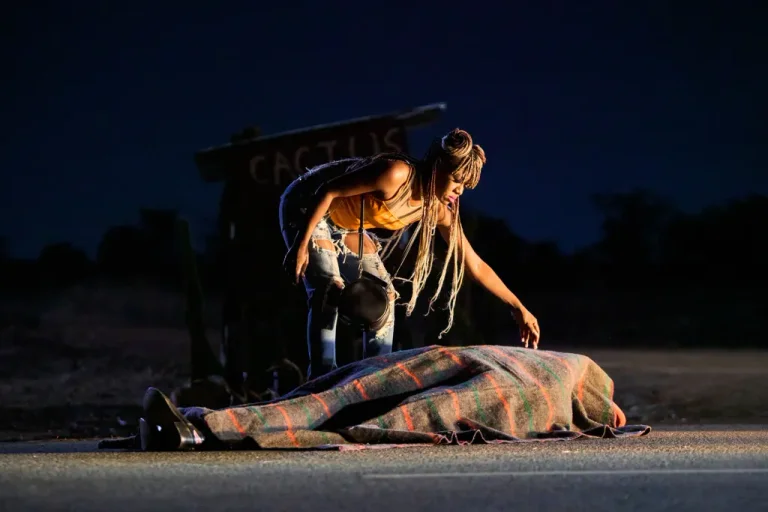
Rungano Nyoni’s film, following I Am Not a Witch (2017), opens with a woman named Shula (Susan Chardy) finding a dead body in the road. The fact that she’s dressed like Missy Elliott in the “The Rain (Supa Dupa Fly)” video — right down to the silver helmet and black puffy jumpsuit — tells you Nyoni has a fantastic dark sense of humor. The revelation that the corpse is “Uncle Fred,” a known pedophile who has abused the village’s young women for years without consequences, makes clear that the film isn’t joking around. A sharp take on the social protections we extend to predators to avoid “embarrassment,” the needless shame imposed on victims, and the need to hold people accountable despite the stigma.
15. Orwell: 2+2=5
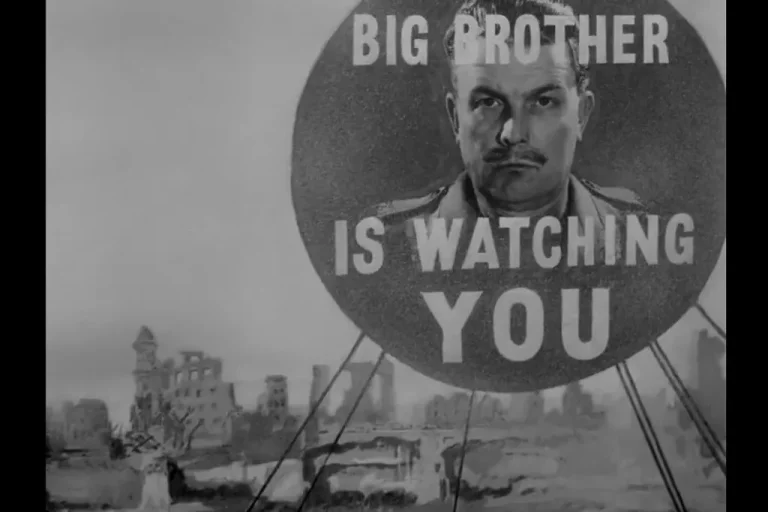
Documentarian Raoul Peck returns with a look at George Orwell’s transformation from a part of the British colonial machine (he served in the Burma police in the 1920s) into a political critic, essayist, and celebrated author of Animal Farm and 1984. Even if it were simply a documentary about the writer’s radicalization and his warnings about power, corruption, and lies, it would be an essential portrait. But Peck goes much further, borrowing the sweeping scope of Exterminate All the Brutes (2021) and connecting the dots between his two dystopian novels, the totalitarian regimes of the 20th century, and the ways history repeats itself — for instance, in today’s America. It’s a virtual fire hose of information about how fascism gains momentum, erasing the gap between then and now in an almost overwhelming way. The outlook is not at all good. This grim lesson is absolutely essential right now.
14. Best Wishes for All
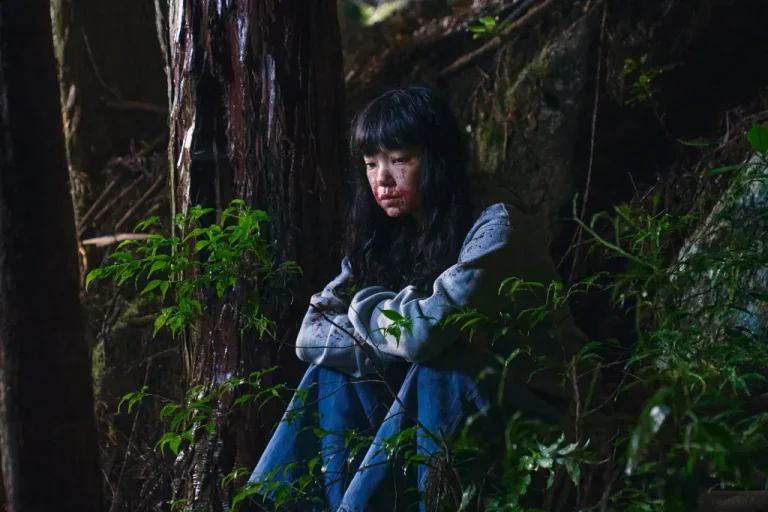
Something strange is happening in a quiet country house, where a nursing student from Tokyo (Kotone Furukawa) is visiting her grandparents. They seem a little too cheerful at times, and completely disconnected at others. Her grandmother keeps asking whether “her girlfriend is happy.” Strange voices are heard at night. The young woman doesn’t feel safe — and that’s before she sees a heavyset, middle-aged man in dirty white underwear crawling through the kitchen, his eyes and mouth sewn shut. Yûta Shimotsu’s debut has made the festival rounds before finally arriving here — and it’s no exaggeration to say this is the best J-horror film to come along in decades. From Furukawa’s performance to the twisted way the narrative reveals its secrets, everything hits the mark. Sometimes, you need a nudge to remember that privilege, luxury, and personal fulfillment come at a cost. This film shoves that idea in your face.
13. Universal Language

Leave it to absurdist Matthew Rankin (The Twentieth Century) to deliver an Iranian-style vintage children’s drama, with dialogue subtitled in Farsi and an aesthetic that recalls ’70s Kiarostami… and set the whole thing in the snow-covered neighborhoods of his hometown, Winnipeg. At first, it seems like hipster mockery, right down to a re-created Kanoon institute logo featuring a rooster instead of the original bird. But the longer you watch this mix of styles, the more you realize it’s not a game, but a love letter. There is no universal language except the shared language of seeing yourself in cinema made half a world away — and responding in kind.
12. Eddington
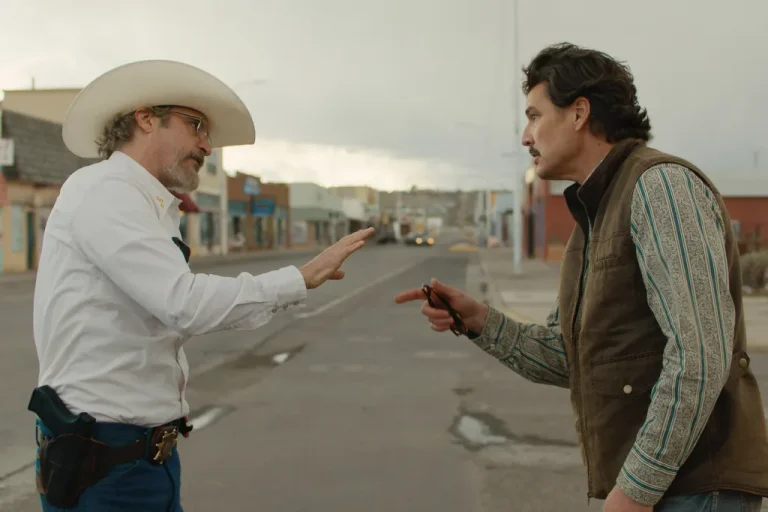
Ari Aster’s fever dream about the present-day “American slaughterhouse” was perhaps the most divisive film of 2025 — which suits his vision of a nation fatally divided down the middle. It’s a paranoid android fable disguised as a modern Western set in the early days of the pandemic, centered on a showdown between the sheriff (Joaquin Phoenix) and the mayor (Pedro Pascal) in a fictional small town in New Mexico. Here, all the progressives are performative, all the right-wingers are one red hat away from MAGA, every personal experience is exploited politically, and both sides are awful. What begins as broad parody becomes a conspiracy thriller tuned to the country’s dark vibrations. Another of Aster’s films that rattles, weighs on you, and makes you anxious. You only wish it didn’t feel so much like reality.
11. Peter Hujar’s Day
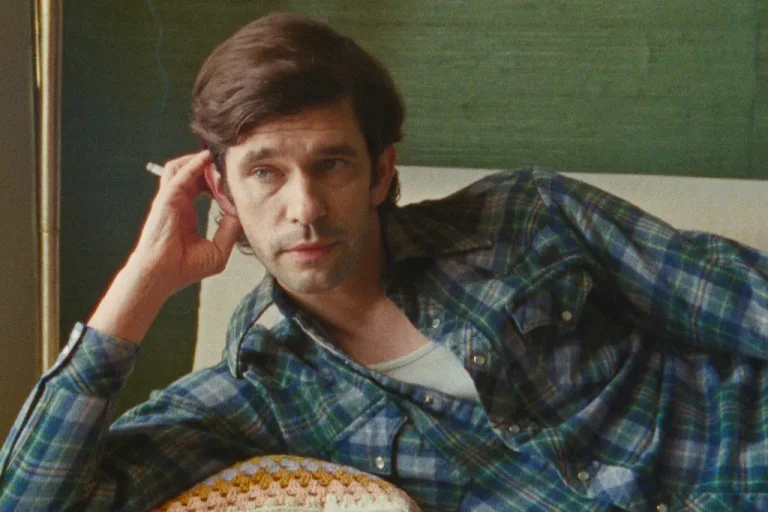
Ira Sachs (Keep the Lights On, Passages) focuses on a long, real interview between writer Linda Rosenkrantz (Rebecca Hall) and her friend, photographer Peter Hujar (Ben Whishaw), in New York, 1974. That’s it, but, my God, it’s enough to evoke a lost world of downtown artists, art-world gossip, funky fashion, post-Stonewall queer culture, and badly behaved Beat legends. (The anecdote about Allen Ginsberg is worth the price of admission on its own.) A conversation between two ’70s bohemians — brought back to life by two extraordinary actors at the top of their game — doesn’t need much more than a camera. Sachs turns this conversation into a time machine, making this modest indie one of the year’s gems.
10. Sentimental Value
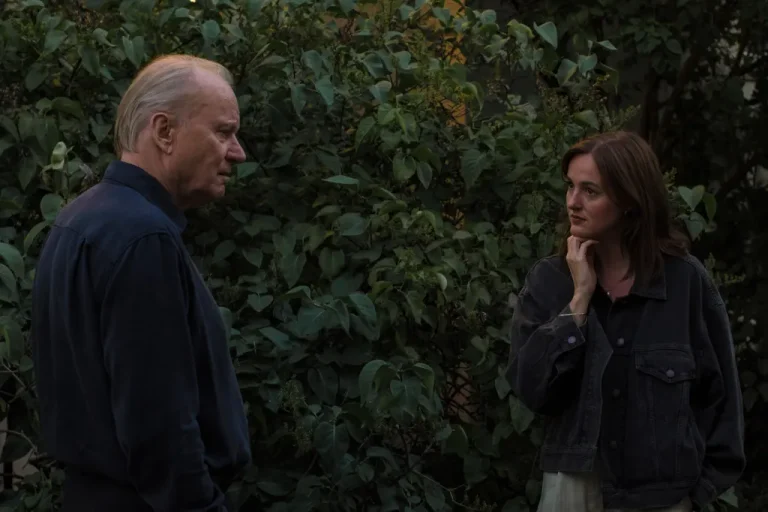
Joachim Trier’s family drama continues his winning streak after The Worst Person in the World (2021). It also brings back much of what we first fell in love with in the Norwegian director. Reuniting with Eskil Vogt and his star Renate Reinsve, Trier carefully builds a moral fable about a once-famous director (Stellan Skarsgård) seeking a comeback with a new project. He offers a role based on his actual daughter to an anxious theater actor (Reinsve) who resents him. Then he decides to cast an American star (Elle Fanning) and shoot the film in their real family home. A soft emotional chaos begins to take over. It’s a fable familiar to anyone with daddy issues — in other words, all of us. But the way it explores storytelling as a means of hiding wounds and practicing healing makes it much more than a story of heroes and villains. Truly extraordinary.
9. Marty Supreme
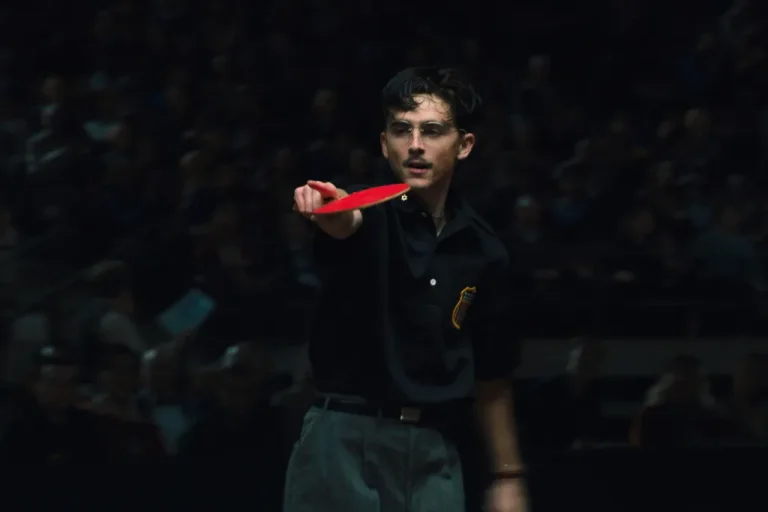
Josh Safdie finally gives ping-pong its own version of Rocky — if that sports classic had been a two-hour panic attack, and its hero less lovable and more of a repulsive narcissist. Timothée Chalamet comes one step closer to greatness with his portrayal of Marty Mauser, the 1952 world table-tennis champion, who is both his own promoter and his own worst enemy. He’s determined to get revenge on his Japanese rival at any cost; he doesn’t much care if he watches bridges burn behind him. The most caustic film about the American dream of success, with the year’s most eclectic cast (name another film featuring Gwyneth Paltrow, Fran Drescher, Tyler, the Creator, Abel Ferrara, NBA’s George Gervin, and Kevin O’Leary from Shark Tank?), it teeters between stripping away harsh reality and classic motivational uplift.
8. Sorry, Baby
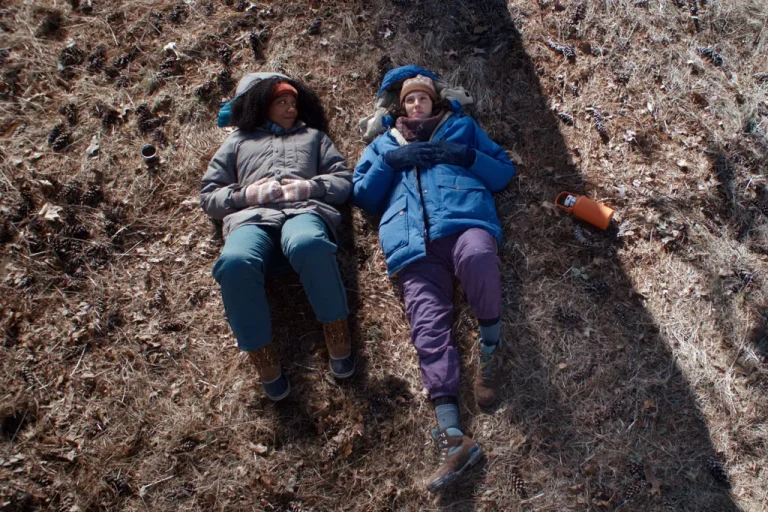
From the “A Star Is Born” department: Writer-director-actor Eva Victor immediately establishes herself as a multitalented force with this somewhat fragmented, at times shocking, at times sharply funny story about a college professor grappling with an old trauma. It would have been enough for Victor to bring her comedic voice from Twitter improv to the screen. But her debut knows exactly when to make you laugh and when to knock you down. A visit to a tactless doctor is an example of both at once. Comparisons to Phoebe Waller-Bridge are inevitable, since the film radiates Fleabag energy (without the fourth-wall break). But Victor has her own unique pathos and humor. Add Naomi Ackie, Lucas Hedges, and Louis Cancelmi, and you have a treasure.
7. No Other Choice
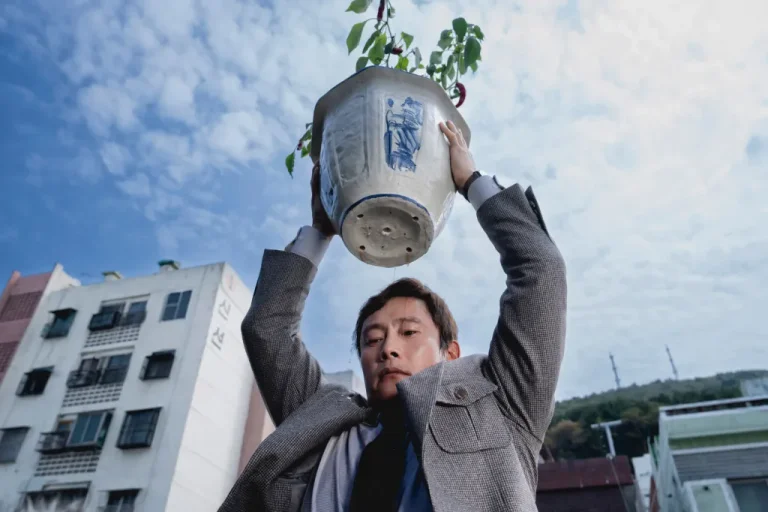
Park Chan-wook (Sympathy for Mr. Vengeance, Decision to Leave) turns Donald E. Westlake’s 1997 novel into a black comedy that is both terrifying and funny (see a scene with a blaring stereo, a violent entrance, and a gun). Squid Game star Lee Byung-hun plays a manager at a paper company in Seoul whose life takes a nosedive after he loses his job. Hard times, desperate measures — and murder enters the picture. Forget it, Jake, it’s late-stage capitalism. Slapstick moments go hand in hand with icy satire about how we sell ourselves in the labor market and the unfair playing field for life’s comforts. It’s dark, exciting, and hugely entertaining.
6. It Was Just an Accident

The Iranian Palme d’Or winner Jafar Panahi’s film has a simple premise: A man (Ebrahim Azizi) pulls over during a family road trip when his car breaks down. A mechanic (Vahid Mobasseri) thinks he recognizes him as the torturer who tormented him for years in prison. He kidnaps him, then gathers other former prisoners to confirm his identity. The film oscillates between thriller, oddball road movie, and backstage farce about a possible act of revenge. But every moment bears the hand of a master, right up to the stunning final shot. A work that questions the need for revenge. Nothing accidental here.
5. Nouvelle Vague
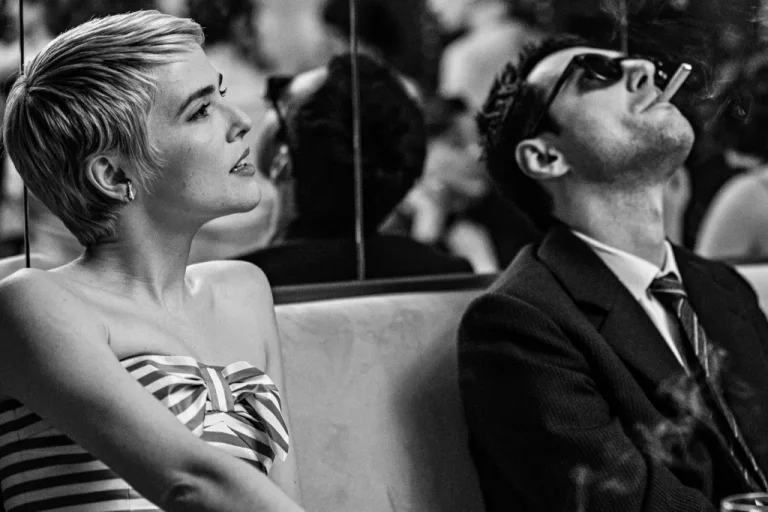
Anyone could recreate the behind-the-scenes story of Godard’s making of Breathless. Only Richard Linklater could turn it into a great “hangout” movie, taking you along with the critics-turned-directors who were making history, 24 frames per second. Spotting the big names of Cahiers du Cinéma (Chabrol, Rivette, Truffaut, Rohmer) and turning them into French New Wave superheroes is pure cinephile pleasure. Guillaume Marbeck is a delight as enfant terrible Godard; Zoey Deutch follows Jean Seberg’s transformation; Aubry Dullin as Belmondo is all smiles. Catnip for cinephiles.
4. Train Dreams
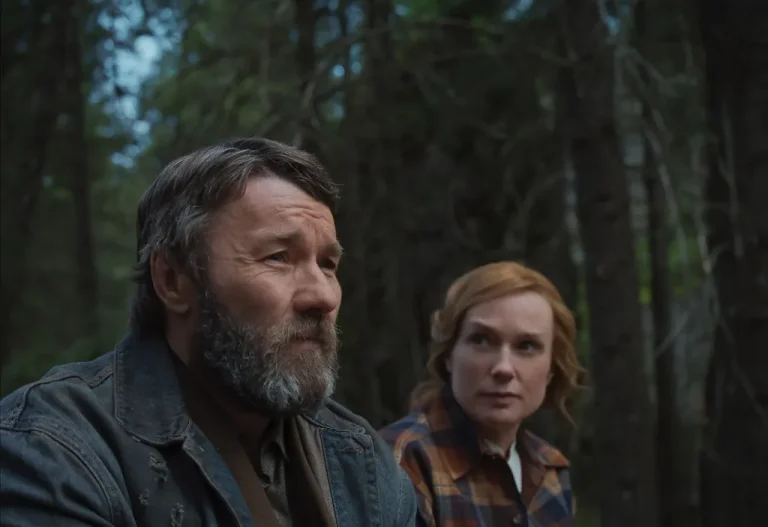
You may have heard the buzz about Clint Bentley’s adaptation of Denis Johnson’s novella, about the life of Robert Granier (Joel Edgerton), a lumberjack at the beginning of the 20th century. Believe the hype. It’s a meditative film that recalls early Malick, with images of nature and philosophical narration as Granier witnesses the growth of America, falls in love with Gladys (Felicity Jones), and experiences peace and tragedy. (Bonus: Kerry Condon as a nature lover and William H. Macy as a crazy old man!) But the film rests on Edgerton, in the best performance of his career, as one of the ordinary men who built America. Those people existed. These stories mattered.
3. Black Bag
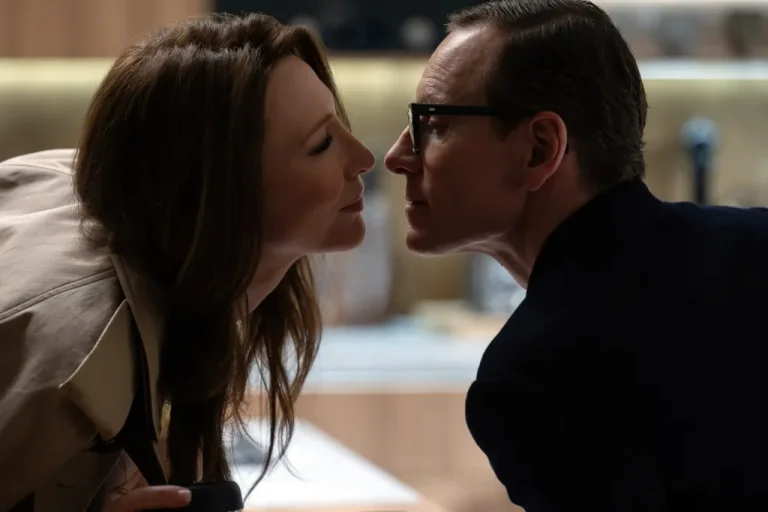
Steven Soderbergh’s film is like Who’s Afraid of Virginia Woolf written by John le Carré, with spy spouses Michael Fassbender and Cate Blanchett navigating a delicate situation involving a double agent. He has to find out who is selling classified information; she is the prime suspect. Then it gets complicated. But the sheer fun of the director and cast — Pierce Brosnan, Tom Burke, Naomie Harris, Regé-Jean Page, Marisa Abela — playing with a classic spy thriller and the metaphor of trust and power in relationships is infectious. Want Hollywood glamour and a clever deconstruction of the genre? It’s all in the bag.
2. Hamnet
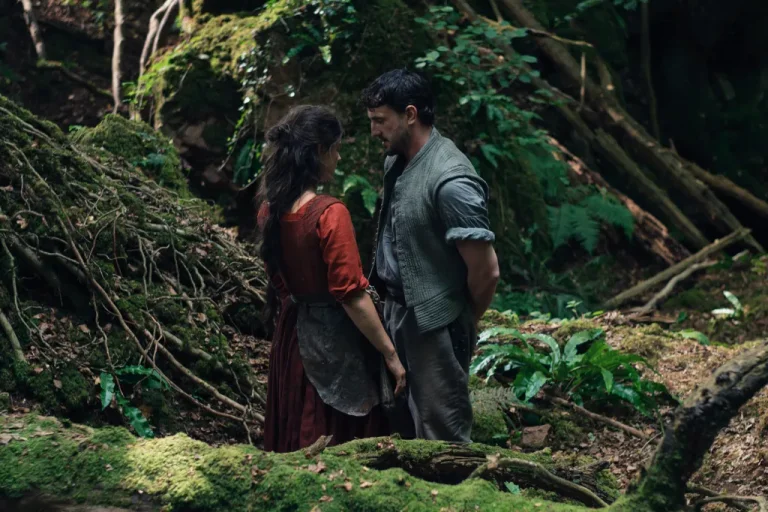
Meet the Shakespeare family. Chloé Zhao’s rigorous, moving, and transcendental film, based on Maggie O’Farrell’s novel about the untimely death of Hamnet, the son of William and Anne “Agnes” Shakespeare — and how this tragedy inspired Hamlet — immediately became the most moving film of 2025. But it is a chronicle of coming to terms with death that bursts with life. Hamnet’s death laid the foundation for a masterpiece. Now it has done so twice. Paul Mescal is a formidable Shakespeare, and Jacobi Jupe is astounding. But Jessie Buckley carries the emotional weight, and her discovery of solace through art is revelatory. The rest is silence.
1. One Battle After Another
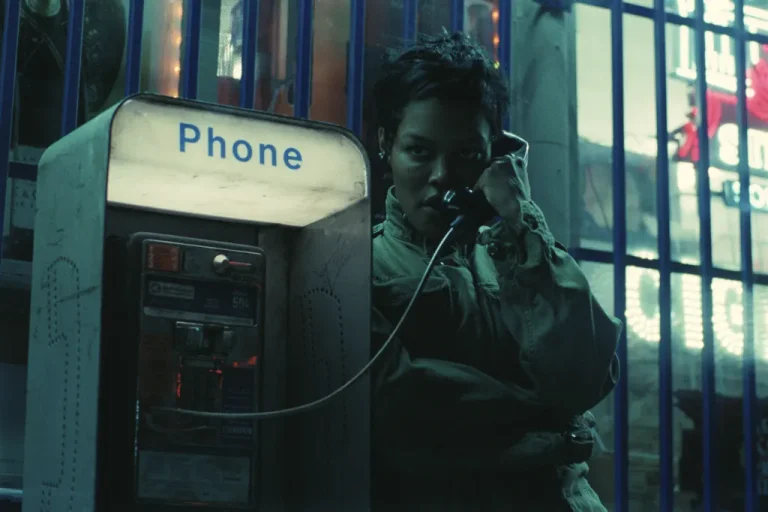
And the winner: Paul Thomas Anderson’s dizzying epic is many things: a parable about fathers and daughters, a conspiracy thriller for the age of ICE, an ensemble comedy full of oddballs, a nod to Thomas Pynchon’s Vineland (not so much an adaptation as a mark of respect). Above all, it’s a film that captures our wildly chaotic moment and transcends it, creating a timeless story about revolutionaries keeping one another alive and the next generation taking up the flag.
From DiCaprio to Sean Penn to newcomer Chase Infiniti, everyone is in top form, while Teyana Taylor steals the show as the guerrilla queen. Every strange detour — underground train dojos, meetings of a secret club of Christmas adventurers (Long live Saint Nick!) — contributes to the mosaic of a world that has gone off its axis. The film asks: How do you fight when everything seems lost? After the stilted comedy, epic chase scenes, and an atmosphere that distills the agony and absurdity of the past ten years, comes the answer: You fight with love. That’s the only way to protect the future and change it. That’s the only way to win the next day. (Rolling Stone)








